Innovative Tips to Achieve Success While Battling Casino Gambling Dangers
The Psychology of Risk and Financial Discipline
Understanding the psychological triggers behind gambling is the first step toward mastering your own behavior in high-stakes environments. Many individuals find themselves caught in a cycle of chasing losses, driven by the false hope that a single win will recover previous debts. This emotional decision-making process often overrides logical financial planning, leading to significant monetary damage. By recognizing these patterns early, players can implement strict boundaries that protect their assets from impulsive decisions.
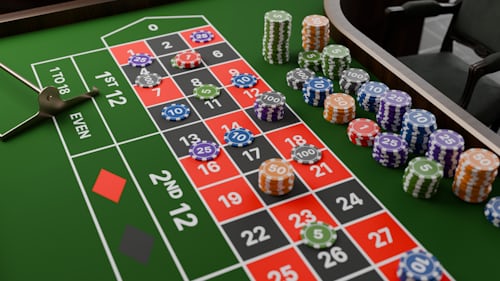
Financial discipline requires treating entertainment expenses as fixed costs rather than investment opportunities. Setting a daily or weekly limit on spending ensures that the activity remains a hobby rather than a financial burden. These limits should be non-negotiable, serving as a hard stop when reached. Incorporating tools like deposit caps and time-outs provided by reputable platforms can further enforce these self-imposed restrictions, helping individuals maintain control over their gaming habits.
Awareness of cognitive biases such as the gambler’s fallacy is crucial for long-term stability. Believing that past outcomes influence future results is a common trap that leads to irrational betting strategies. Educating oneself about the random nature of casino games helps dismantle these misconceptions. When players accept that each event is independent, they are less likely to make desperate bets based on perceived trends, thereby reducing the risk of severe financial loss.
Strategic Game Selection and Knowledge Mastery
Selecting the right games is a critical component of minimizing potential harm while engaging in casino activities. Not all games offer equal odds or require the same level of skill and understanding. Games with lower house edges, such as certain variants of blackjack or video poker, provide better chances for skilled players compared to slot machines which rely entirely on chance. Choosing games where knowledge impacts outcomes allows for more informed decision-making and potentially better returns.
Mastery of game rules and optimal strategies transforms gambling from pure luck into a calculated exercise. Learning basic strategy charts for card games can significantly reduce the house advantage. This educational approach empowers players to make moves that statistically favor them over the long run. Investing time in learning these mechanics ensures that every wager is placed with confidence and understanding, rather than blind faith in fortune.
Diversifying one’s approach across different types of games can also mitigate risks associated with specializing in a single area. However, this must be balanced with the depth of knowledge required to play each variant effectively. Superficial attempts at multiple games often lead to mistakes and increased losses. Therefore, focusing on a few well-understood options allows for deeper engagement and safer participation, ensuring that the experience remains enjoyable without becoming financially devastating.
Technological Tools for Responsible Play
Modern technology offers numerous tools designed to promote responsible gambling practices. Self-exclusion programs allow individuals to ban themselves from specific venues or online platforms for set periods. These digital barriers serve as effective cooling-off mechanisms during times of heightened emotional vulnerability or impulsive urges. Utilizing these features demonstrates a proactive commitment to maintaining healthy boundaries and preventing relapse into harmful behaviors.
Monitoring software and apps can track spending patterns and alert users when they approach predefined limits. These tools provide real-time feedback on gambling habits, making it easier to identify problematic trends before they escalate. By integrating such technologies into daily routines, players gain valuable insights into their own behavior. This data-driven approach encourages accountability and supports efforts to stay within safe financial parameters.
Furthermore, many online casinos now include mandatory reality checks and session timers to help players stay aware of how much time they have spent playing. These interruptions force a pause in action, allowing individuals to reassess their intentions and current state of mind. Ignoring these reminders can lead to extended sessions that deplete resources quickly. Embracing these technological safeguards as helpful aids rather than hindrances contributes to a more sustainable and controlled gambling experience.
Balancing Entertainment with Professional Life
Maintaining a healthy balance between gambling and professional responsibilities is essential for overall well-being. Allowing leisure activities to interfere with work performance or career goals creates additional stress and pressure. It is important to view gambling strictly as a form of entertainment that occurs outside of work hours. Prioritizing job obligations and personal development ensures that financial stability is not compromised by risky behaviors.
Social support systems play a vital role in keeping gambling habits in check. Sharing concerns with trusted friends or family members can provide external perspective and encouragement to stick to limits. Isolation often exacerbates problem gambling, as individuals may hide their struggles from those who could help. Building a network of supportive relationships fosters an environment where accountability is shared and positive choices are reinforced.
Engaging in diverse hobbies and interests reduces the reliance on gambling as a primary source of excitement or escape. Pursuing creative outlets, sports, or social events provides alternative avenues for enjoyment and fulfillment. For instance, exploring the artistry involved in creating intricate designs through baking education can offer a rewarding contrast to the unpredictability of casino games. Activities that require focus and skill development, similar to those found at https://thecakemanuk.com/, can enrich life and provide a sense of achievement unrelated to financial outcomes.

Cultivating Resilience and Long-Term Mindset
Building resilience against the ups and downs of gambling requires a strong long-term mindset focused on overall life goals. Short-term gains should never overshadow the importance of sustained financial health and personal growth. Viewing gambling as a minor part of a larger, balanced lifestyle helps maintain perspective during both winning and losing streaks. This holistic approach prevents any single activity from dominating one’s identity or financial future.
Developing coping mechanisms for stress and disappointment is equally important. When losses occur, having healthy ways to process emotions prevents reactive behaviors that lead to further harm. Techniques such as mindfulness, exercise, or talking to a counselor can provide constructive outlets for frustration. These strategies help individuals navigate difficult moments without resorting to gambling as a means of escape or revenge betting.
Finally, celebrating successes in other areas of life reinforces the value of disciplined living. Acknowledging achievements in career, relationships, and personal projects builds confidence and satisfaction that does not depend on chance. This shift in focus towards tangible accomplishments fosters a sense of control and purpose. By prioritizing meaningful experiences over fleeting thrills, individuals can enjoy life fully while avoiding the dangers associated with excessive gambling.